
INCI Ingredient Glossary
Understand every botanical. Every oil. Every extract.
At Atlas Botanica, every ingredient is selected with intention. Behind every Latin name on our labels is a botanical with a history, a place of origin, and a purpose within the formulation. This glossary is designed to help you understand the internationally recognized names used in cosmetic labeling while discovering the traditions, craftsmanship, and plant knowledge that inspire every product we create.
What is INCI?
INCI stands for International Nomenclature of Cosmetic Ingredients, the standardized naming system used worldwide for cosmetic and personal care products. Whether a product is made in Morocco, France, Japan, or the United States, the same ingredient can be identified by its official INCI name, creating consistency across international markets and regulations. Botanical ingredients are usually listed under their Latin scientific names, while ingredients are generally arranged from the highest to the lowest concentration on the label, with ingredients below one percent following different ordering rules depending on local regulations.
At Atlas Botanica, we believe transparency is an essential part of craftsmanship. Instead of simply listing ingredients, we want every customer to understand where they come from, why they were chosen, and how they contribute to our philosophy of slow, botanical formulation.
A
Aleppo Laurel
Laurus Nobilis Fruit Oil
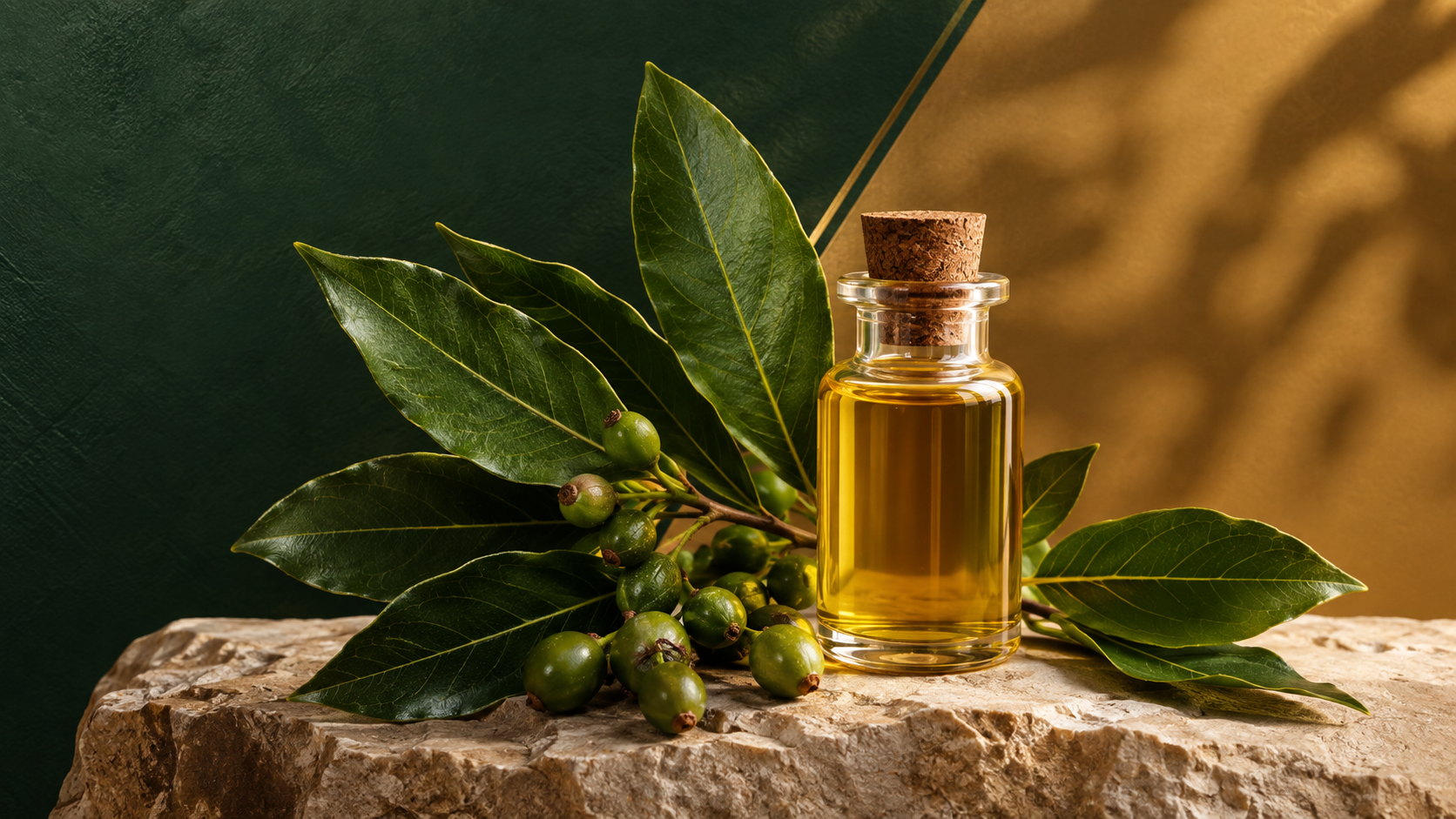
Laurel Berry Oil is one of the defining ingredients of traditional Aleppo soap, a formulation whose origins reach back thousands of years to the historic city of Aleppo in Syria. Extracted from the fruit of the laurel tree rather than its leaves, this richly aromatic oil has long been valued in Mediterranean soapmaking traditions for the luxurious character it brings to handmade soap. Its naturally occurring fatty acids contribute to a creamy, comforting lather that cleanses without leaving the skin feeling overly stripped.
At Atlas Botanica, Laurel Berry Oil represents more than an ingredient. It embodies the preservation of one of the world's oldest soapmaking traditions, honoring generations of artisans who perfected slow curing methods long before modern cosmetic manufacturing existed. We include it because it reflects our belief that timeless botanical ingredients deserve to remain part of contemporary skincare.
Argan Oil
Argania Spinosa Kernel Oil
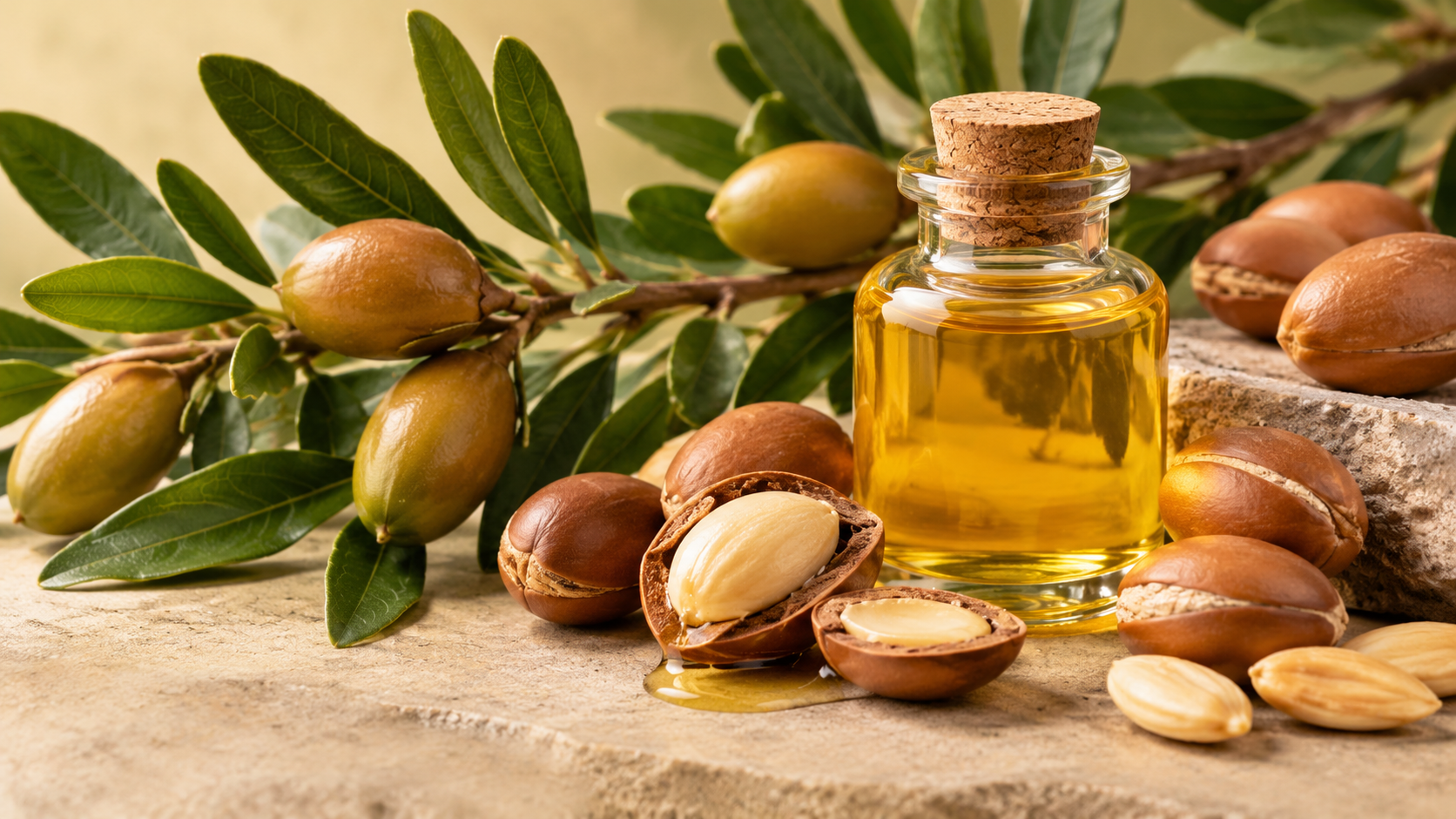
Argan Oil is extracted from the kernels of the argan tree, a species that grows almost exclusively in southwestern Morocco within a UNESCO-recognized biosphere reserve. For centuries, Berber and Amazigh communities have harvested and processed these kernels through traditional methods that have become deeply woven into Moroccan cultural heritage. Today, carefully controlled extraction methods help preserve the oil's naturally rich composition while supporting a premium cosmetic ingredient prized around the world.
Within Atlas Botanica's hair serums, Argan Oil serves as one of our signature botanical oils because it aligns with our commitment to ethically sourced plant ingredients and slow beauty principles. Its lightweight feel allows it to complement other carefully selected botanical oils while reflecting the craftsmanship and authenticity that define our Moroccan-inspired formulations.
C
Cedarwood
Cedrus Deodara Wood Oil
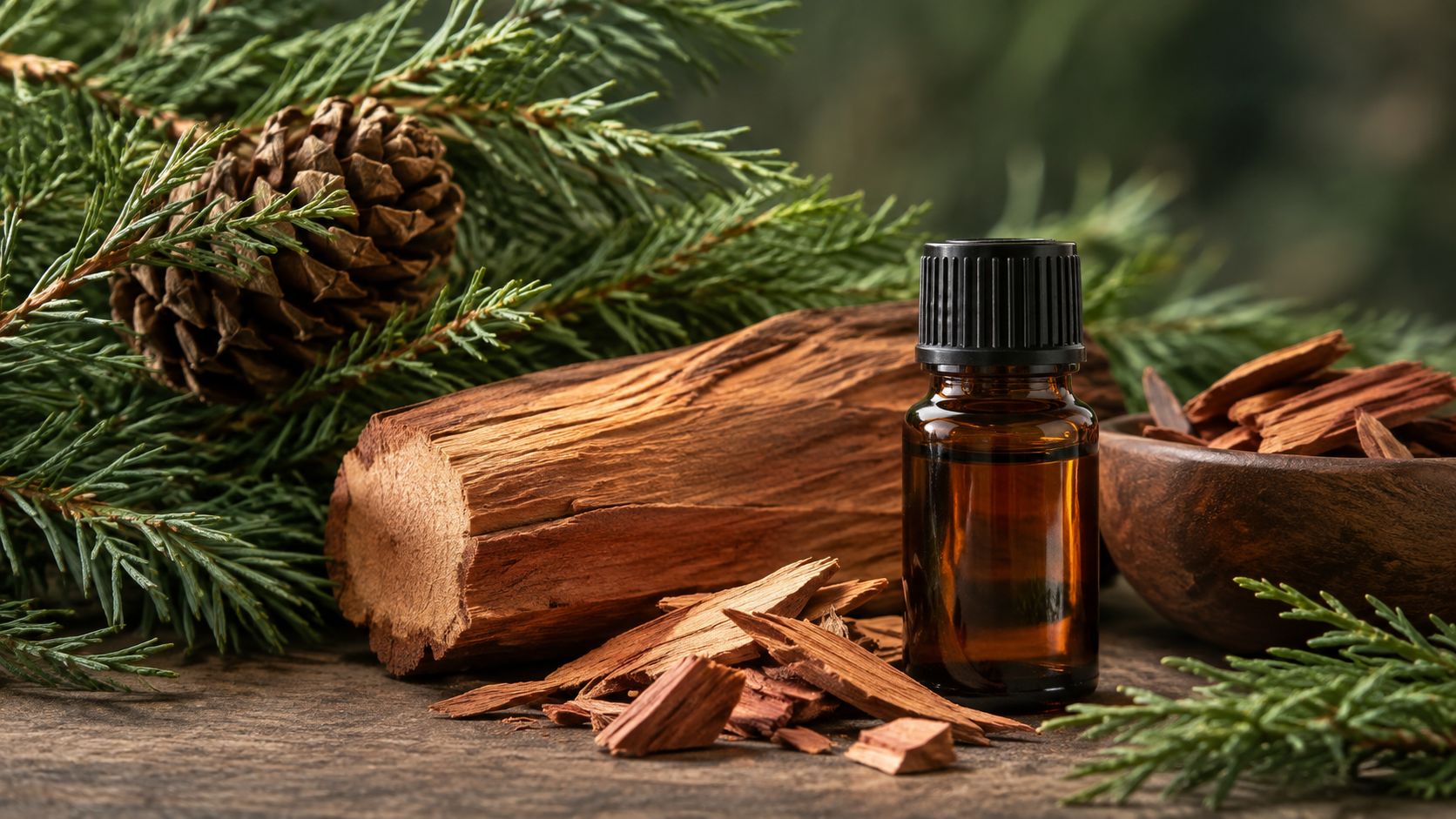
Himalayan Cedarwood Oil is distilled from the wood of the majestic Deodar cedar, a tree native to the Himalayan mountain ranges where it has been admired for centuries for both its beauty and durability. The resulting essential oil carries a rich, earthy, and softly resinous aroma that has made it a respected ingredient in perfumery and traditional aromatic practices throughout history.
In Atlas Botanica's Himalayan Cedar Soap, this ingredient contributes a warm, grounding scent profile that captures the quiet elegance of ancient forests. Rather than overwhelming the senses, Cedarwood creates an atmosphere of calm sophistication that reflects our preference for botanical fragrances inspired by nature itself.
Coconut Oil
Cocos Nucifera Oil

Coconut Oil has become one of the most recognizable ingredients in traditional soapmaking because of the cleansing performance and abundant lather it contributes to handcrafted formulations. Derived from the flesh of mature coconuts, this versatile botanical oil has been used across tropical regions for generations in both skincare and personal care traditions.
Within cold-process soapmaking, Coconut Oil helps create the satisfying bubbles and cleansing experience many people associate with a beautifully crafted soap bar. At Atlas Botanica, it is carefully balanced alongside other plant oils to create formulations that respect both performance and botanical harmony.
Castor Oil
Ricinus Communis Seed Oil
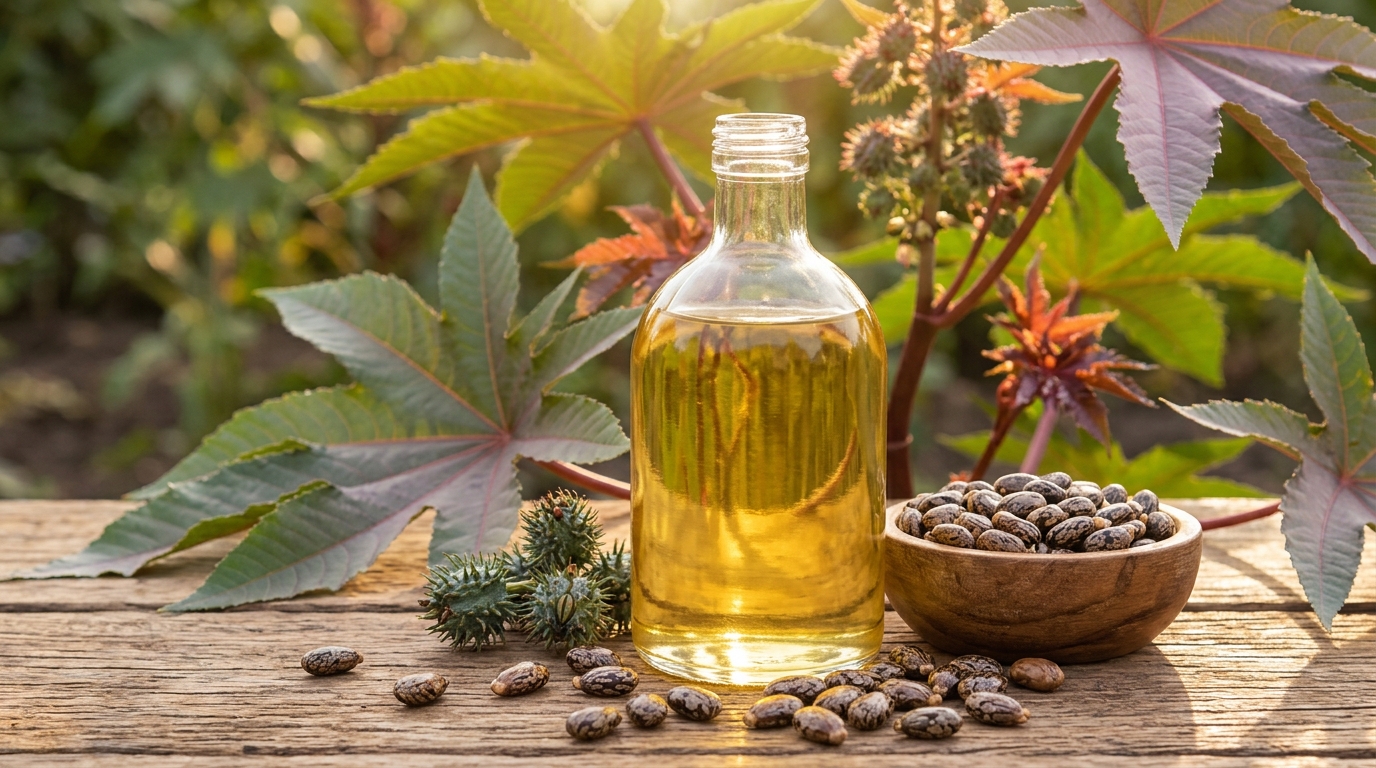
Castor Oil is pressed from the seeds of the castor plant and has earned a lasting place in artisan soapmaking because of the rich, creamy lather it helps create. Although it is naturally thicker than many botanical oils, its unique composition allows it to complement other oils within a balanced formulation rather than overpowering them.
At Atlas Botanica, Castor Oil is included because it enhances the luxurious feel of our cold-process soaps while supporting the smooth, refined experience we aim to deliver with every handcrafted bar.
Cocoa Butter
Theobroma Cacao Seed Butter
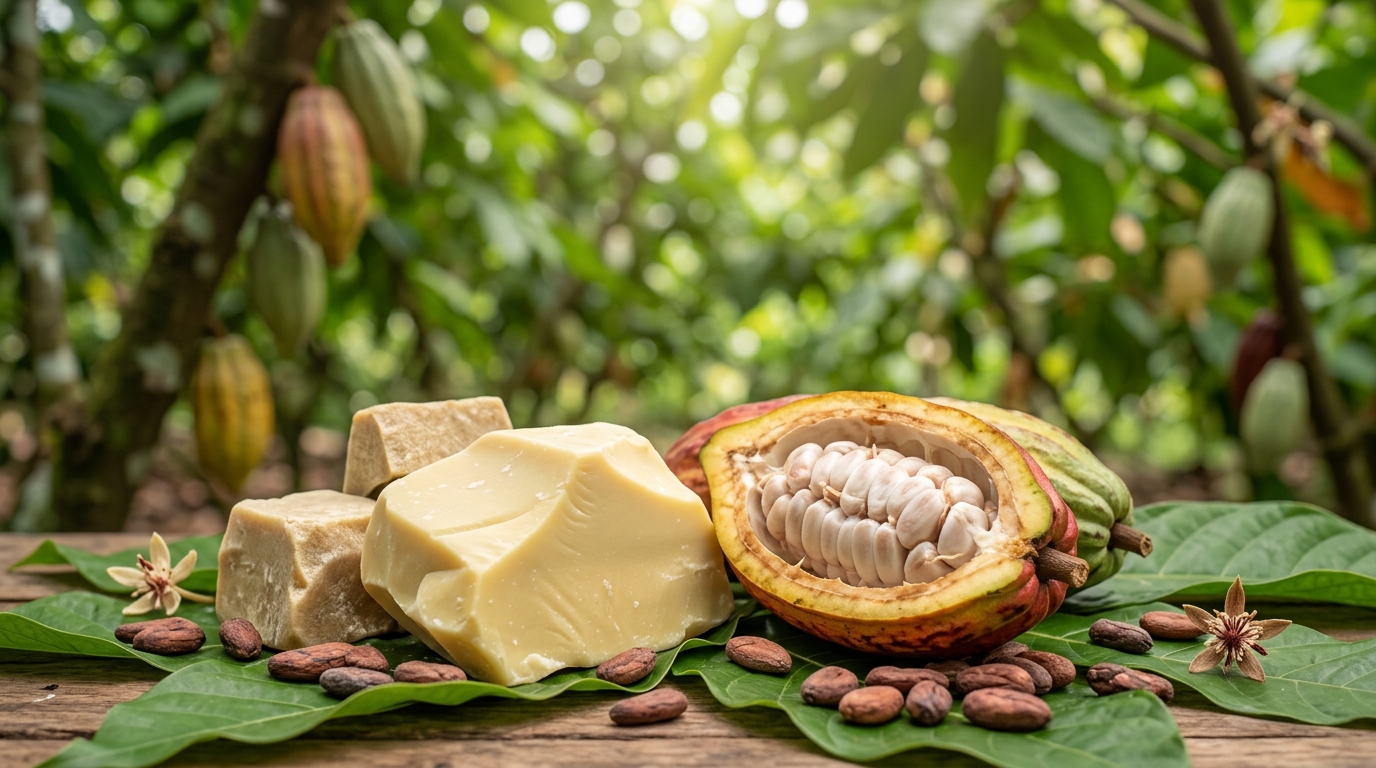
Cocoa Butter is obtained from cacao beans, the same remarkable fruit that gives the world chocolate. In cosmetic formulation, this naturally rich butter has become valued for the luxurious texture and creamy structure it contributes to handcrafted skincare products.
Within cold-process soapmaking, Cocoa Butter helps create firm, long-lasting bars while complementing other botanical oils with its naturally elegant character. Its inclusion reflects Atlas Botanica's preference for traditional plant-based ingredients that contribute both function and craftsmanship to every formulation.
G
Glycerin
Glycerin
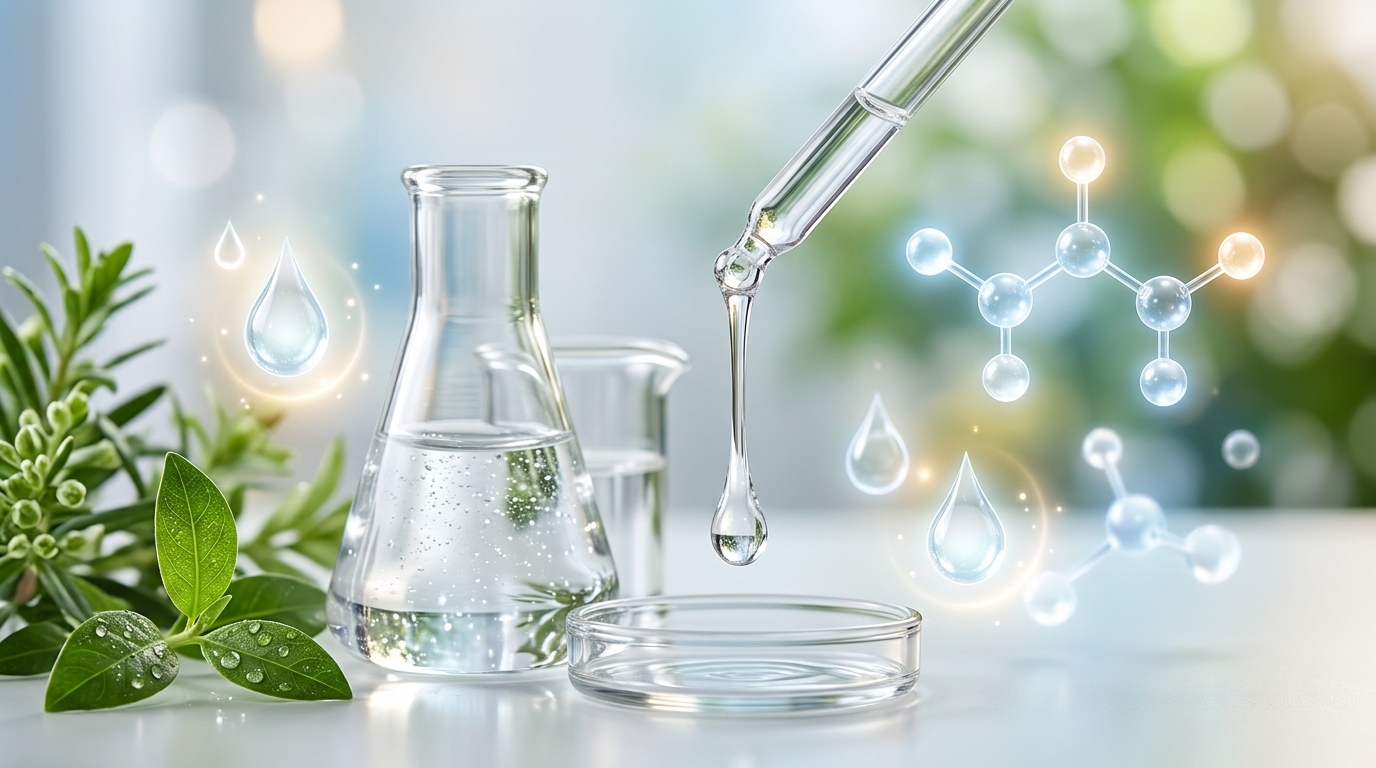
Glycerin is one of the most respected ingredients in modern skincare because of its remarkable ability to attract moisture toward the skin's surface. In traditional cold-process soapmaking, glycerin forms naturally during the saponification process rather than needing to be added separately, making artisan soap fundamentally different from many commercial soap products where naturally formed glycerin may be removed.
At Atlas Botanica, we celebrate this naturally occurring glycerin as one of the beautiful outcomes of authentic soapmaking. It represents our commitment to preserving the integrity of traditional production methods instead of stripping away valuable components during manufacturing.
H
Hemp Seed Oil
Cannabis Sativa Seed Oil
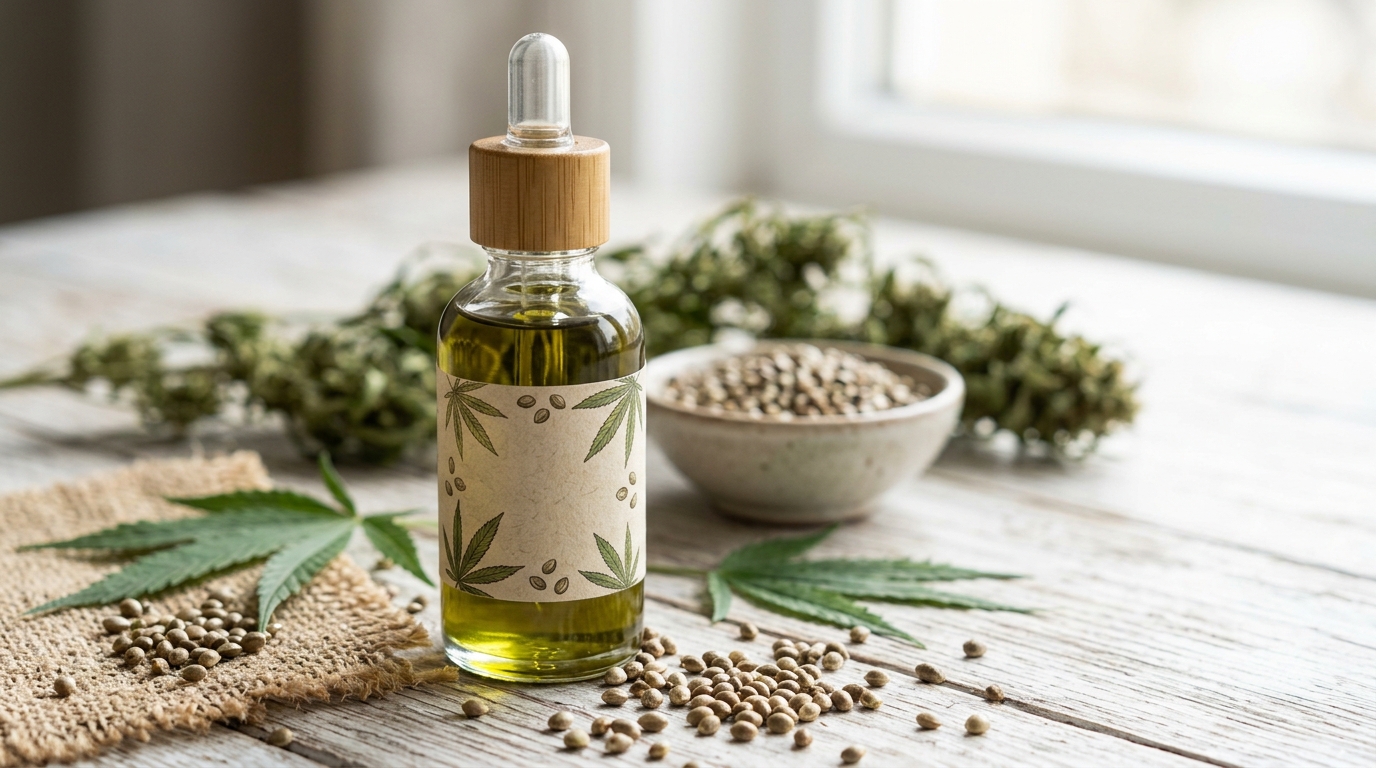
Hemp Seed Oil is pressed from the seeds of the hemp plant and has become increasingly appreciated within botanical skincare because of its lightweight texture and naturally balanced feel. Unlike ingredients derived from other parts of the plant, Hemp Seed Oil used in cosmetics comes specifically from the seeds and is valued as a nourishing botanical oil.
Within premium botanical formulations, it blends beautifully with other carefully selected plant oils, contributing to smooth application while reinforcing Atlas Botanica's commitment to thoughtfully sourced botanical ingredients.
J
Jojoba Oil
Simmondsia Chinensis Seed Oil
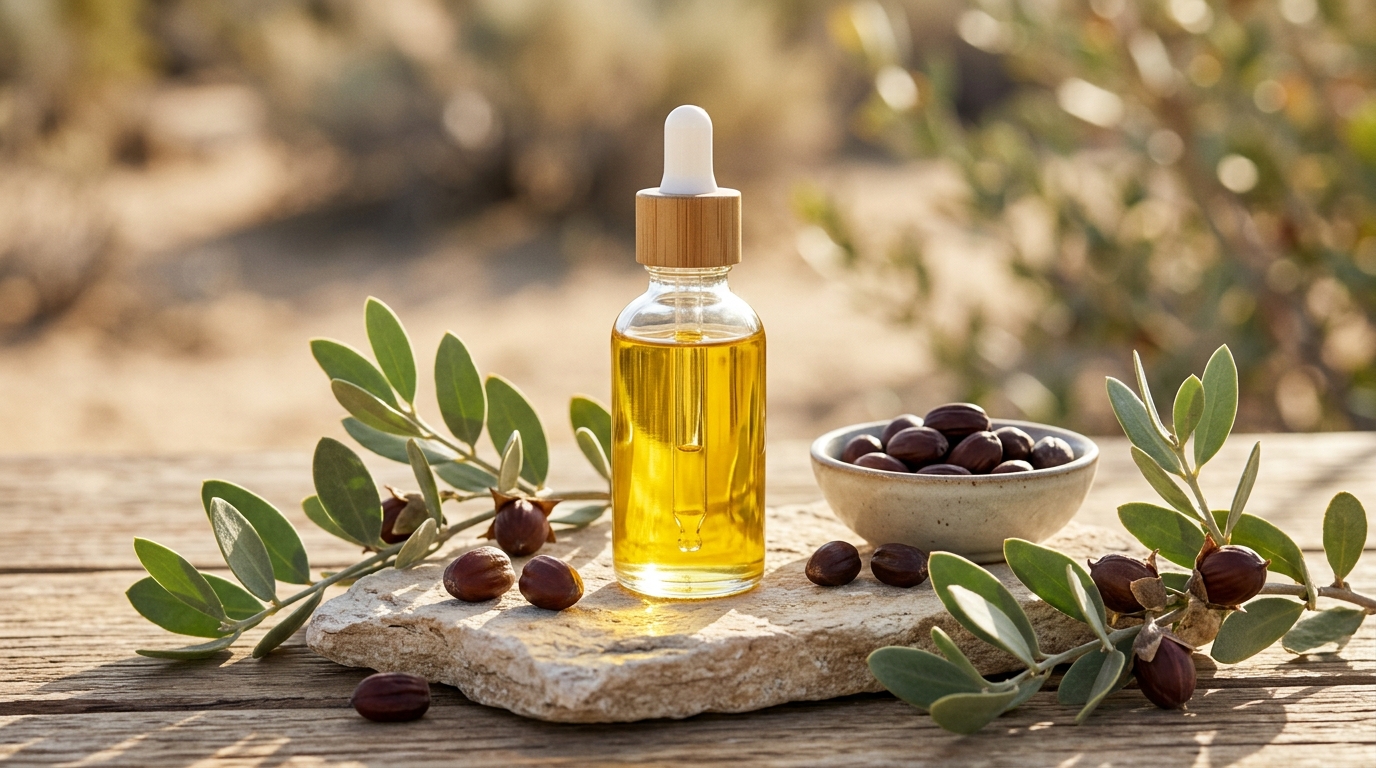
Jojoba Oil is technically not an oil at all but a liquid wax extracted from the seeds of the jojoba shrub, a remarkable desert plant native to North America. This unique characteristic gives it a lightweight, silky texture that has made it a favorite ingredient in premium hair and skincare formulations.
At Atlas Botanica, Jojoba Oil complements our botanical hair serums by contributing an elegant, non-greasy feel that aligns perfectly with our philosophy of refined plant-based care. Its exceptional stability also makes it a valuable companion to other carefully selected botanical oils within our formulations.
L
Lavender Oil
Lavandula Angustifolia Oil
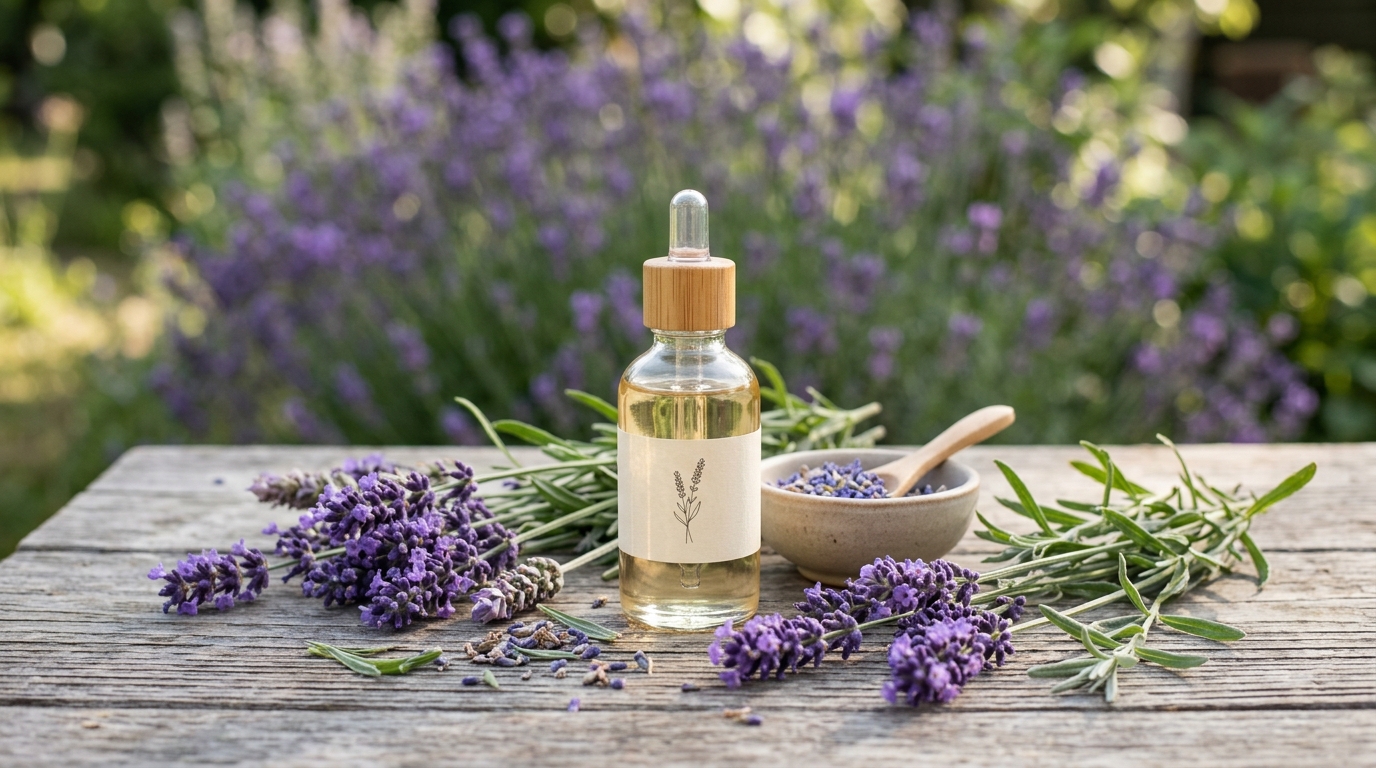
Lavender Oil is steam distilled from the flowering tops of lavender, a Mediterranean plant celebrated for centuries for its unmistakable floral aroma. Its calming fragrance has made it one of the world's most recognized botanical ingredients in perfumery, wellness rituals, and handcrafted soapmaking.
Within Atlas Botanica, Lavender Oil contributes a timeless aromatic character that reflects our appreciation for botanical elegance rather than artificial fragrance trends. It brings softness and sophistication to formulations inspired by nature's own perfume.
M
Mysuru Sandalwood
Santalum Album Wood Oil
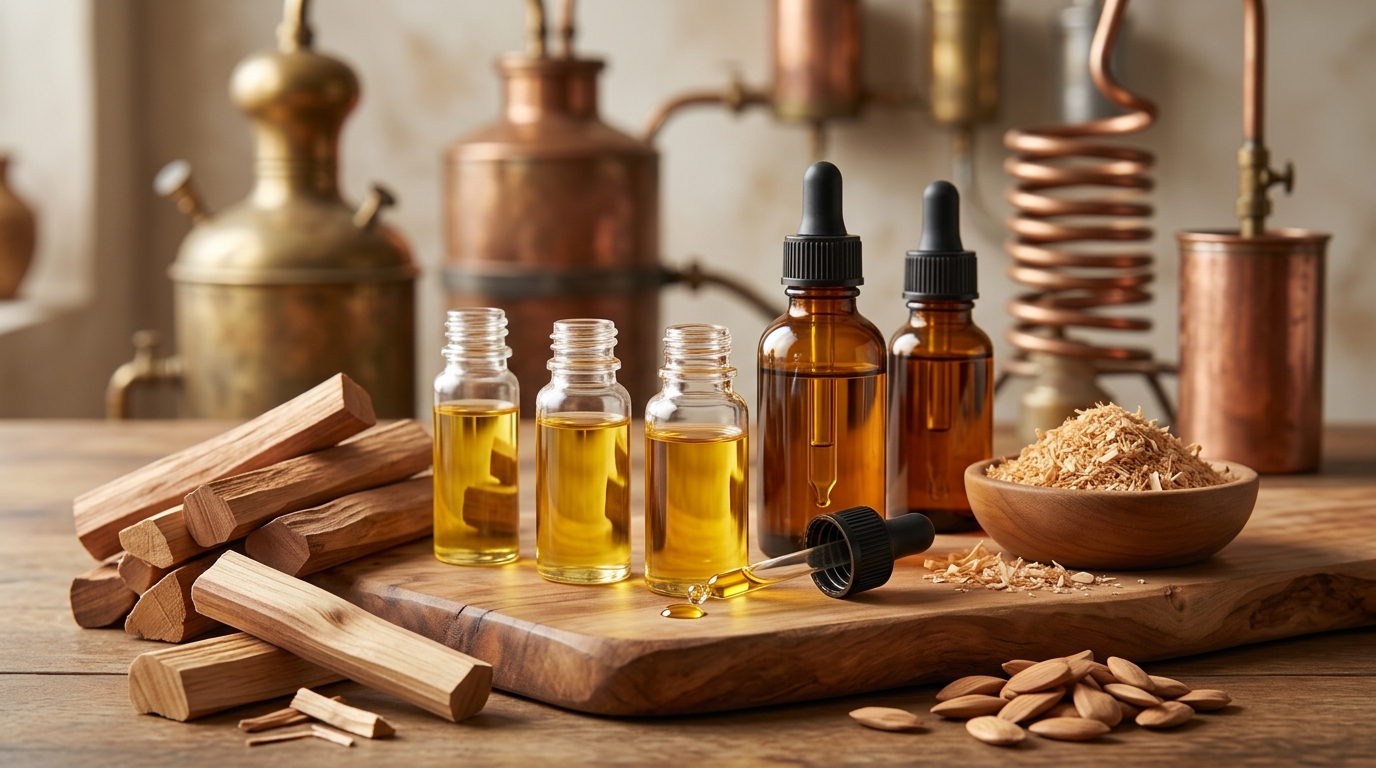
Sandalwood has long been considered one of the world's most precious aromatic woods, admired across generations for its warm, creamy, and deeply comforting fragrance. Authentic Mysuru Sandalwood carries a particularly distinguished reputation because of its historical connection to southern India, where sandalwood craftsmanship became an enduring cultural tradition.
At Atlas Botanica, this ingredient represents quiet luxury. Rather than chasing temporary fragrance trends, we celebrate botanical ingredients whose stories have been written across centuries of craftsmanship, ritual, and appreciation for natural beauty.
O
Olive Oil
Olea Europaea Fruit Oil

Olive Oil is one of humanity's oldest cosmetic ingredients, with evidence of its use extending back thousands of years across Mediterranean civilizations. Pressed from the fruit of the olive tree, it became a foundation of traditional soapmaking because of the gentle, creamy character it contributes to handcrafted bars.
Within Atlas Botanica's cold-process soaps, Olive Oil reflects our admiration for enduring botanical traditions. We choose it not simply because of its long history, but because it embodies the timeless philosophy that simple, thoughtfully selected plant ingredients can create extraordinary skincare experiences.
R
Rosemary Leaf Extract
Rosmarinus Officinalis Leaf Extract
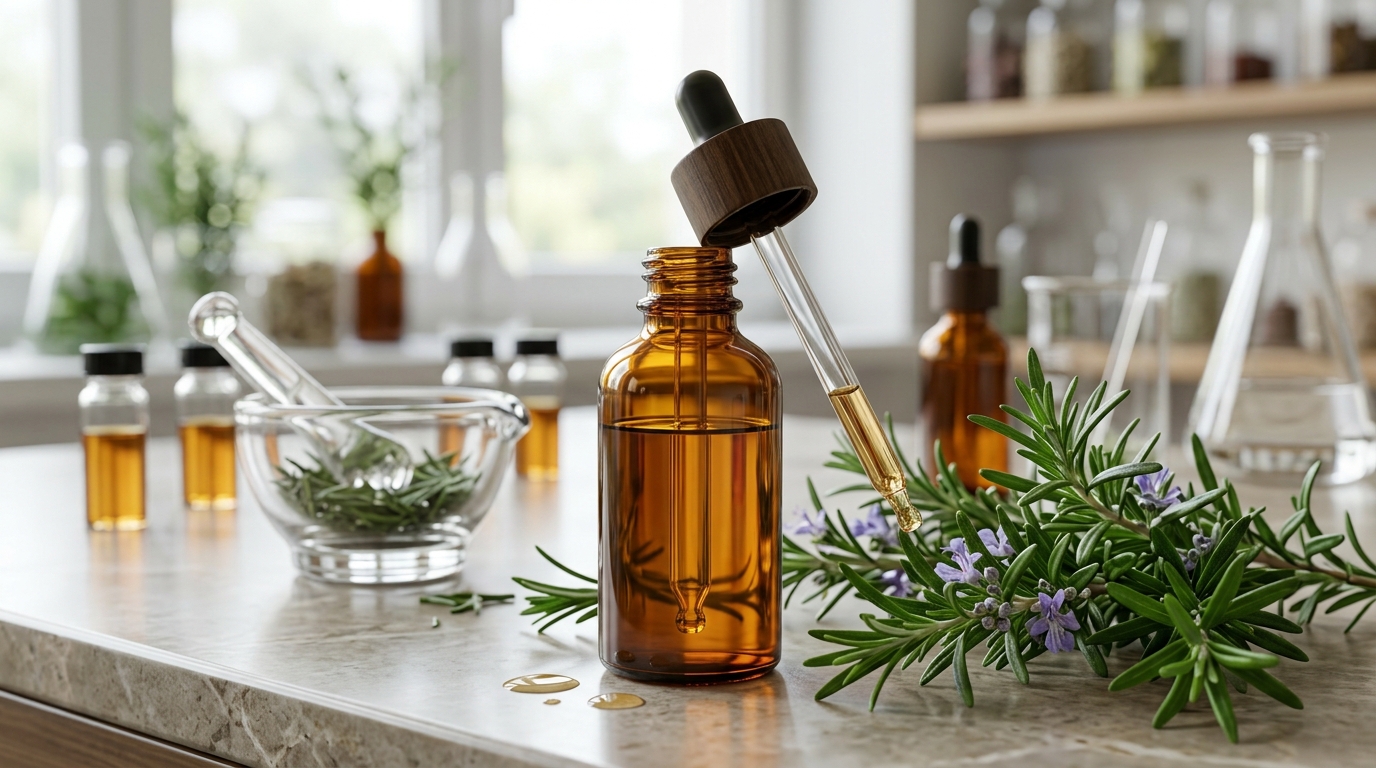
Rosemary Leaf Extract is derived from one of the Mediterranean's most recognizable aromatic herbs. In botanical formulation, it is often included alongside plant oils because of its naturally occurring antioxidant compounds, making it a valuable supporting ingredient in oil-rich formulations.
At Atlas Botanica, Rosemary Leaf Extract reflects our preference for plant-derived ingredients that work harmoniously within carefully balanced formulations while remaining faithful to the traditions of botanical craftsmanship.
S
Shea Butter
Butyrospermum Parkii Butter
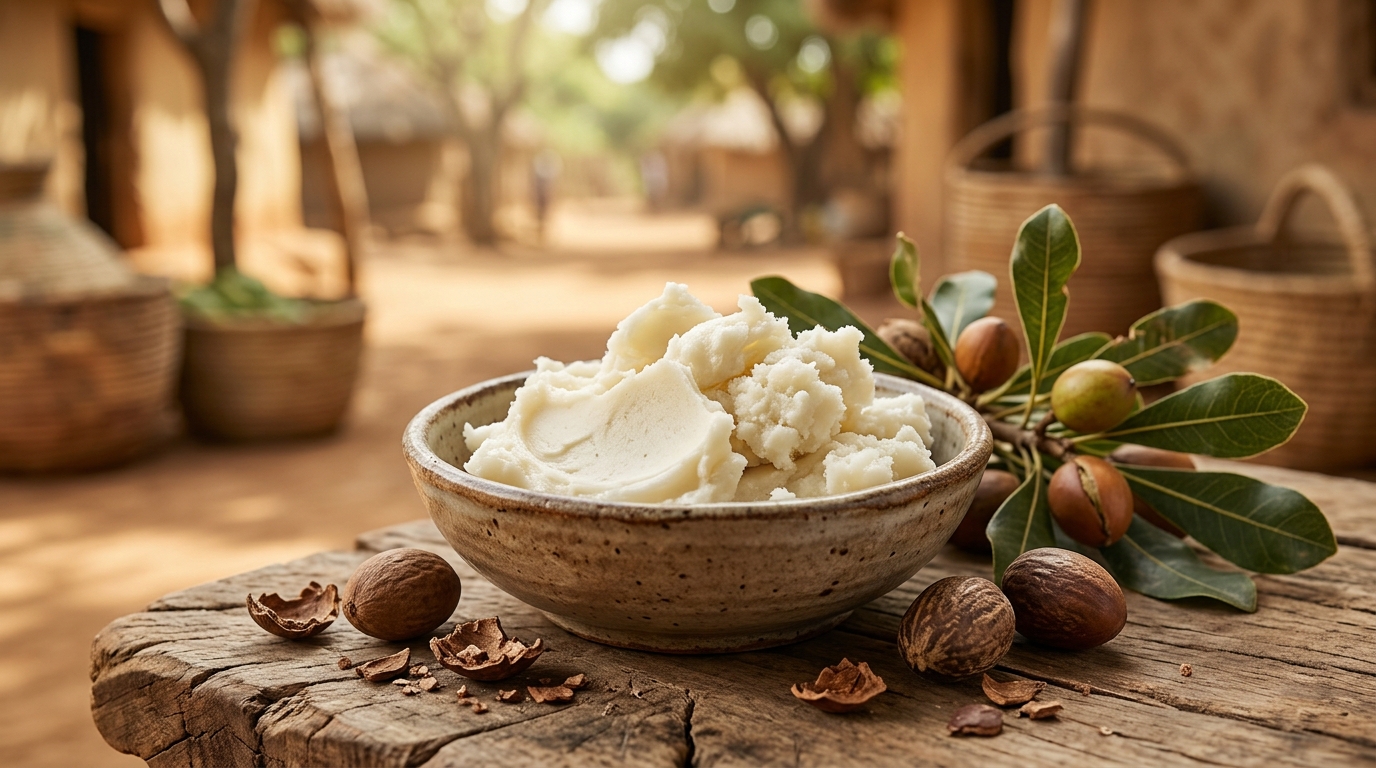
Shea Butter is obtained from the nuts of the African shea tree and has become one of the world's most respected botanical butters in skincare. For generations, communities across Africa have harvested and processed shea through traditional methods that transformed this remarkable tree into an enduring symbol of natural beauty and craftsmanship.
Within Atlas Botanica's formulations, Shea Butter contributes richness, creaminess, and a luxurious feel that complements our philosophy of slow-crafted botanical skincare. It represents our appreciation for ingredients whose cultural heritage is as meaningful as their cosmetic role.
Sunflower Oil
Helianthus Annuus Seed Oil
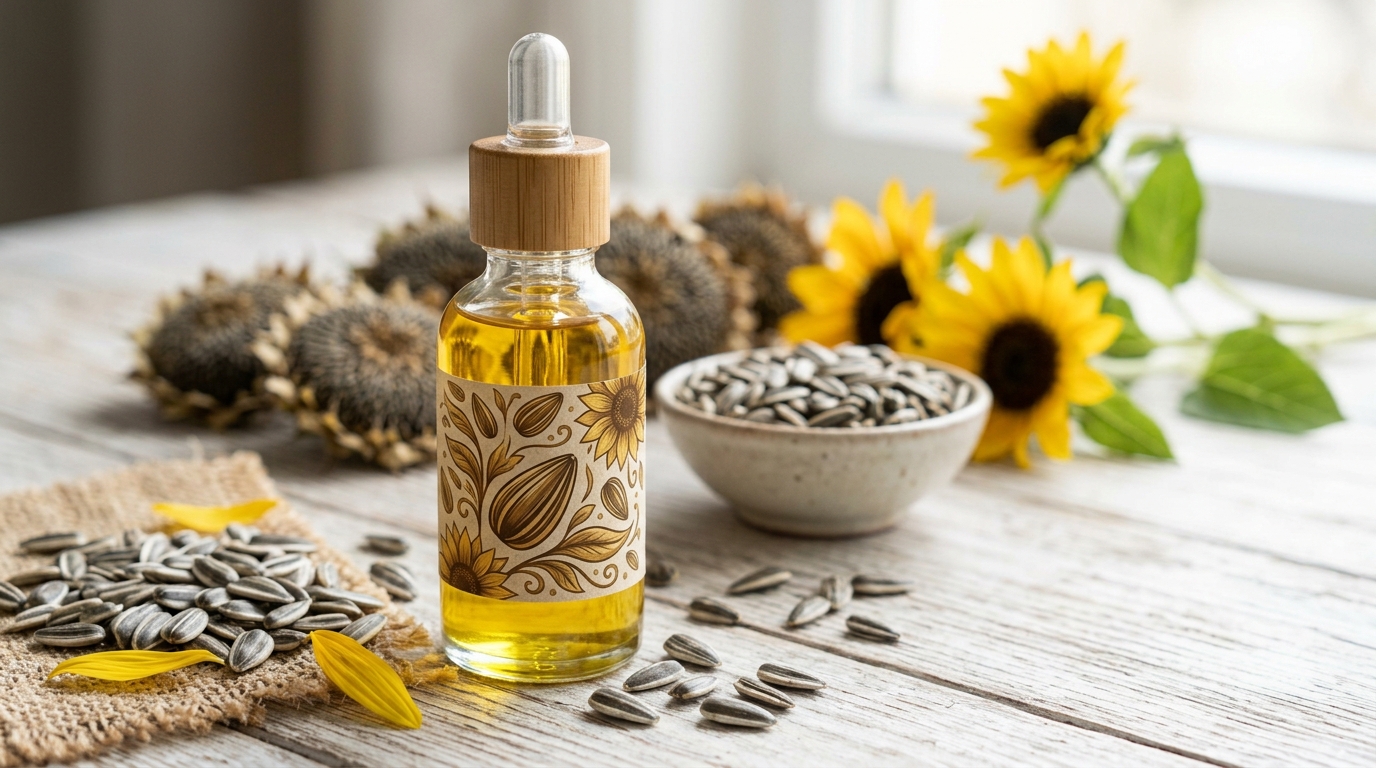
Sunflower Oil is pressed from sunflower seeds and has become a widely respected botanical oil in artisan skincare because of its smooth, lightweight character. Its versatility allows it to blend beautifully with richer plant oils while maintaining a balanced and elegant feel within handcrafted formulations.
At Atlas Botanica, Sunflower Oil supports the harmonious composition of our botanical products, reflecting our preference for thoughtfully balanced formulations built around complementary plant ingredients rather than unnecessary complexity.
T
Tocopherol
Tocopherol
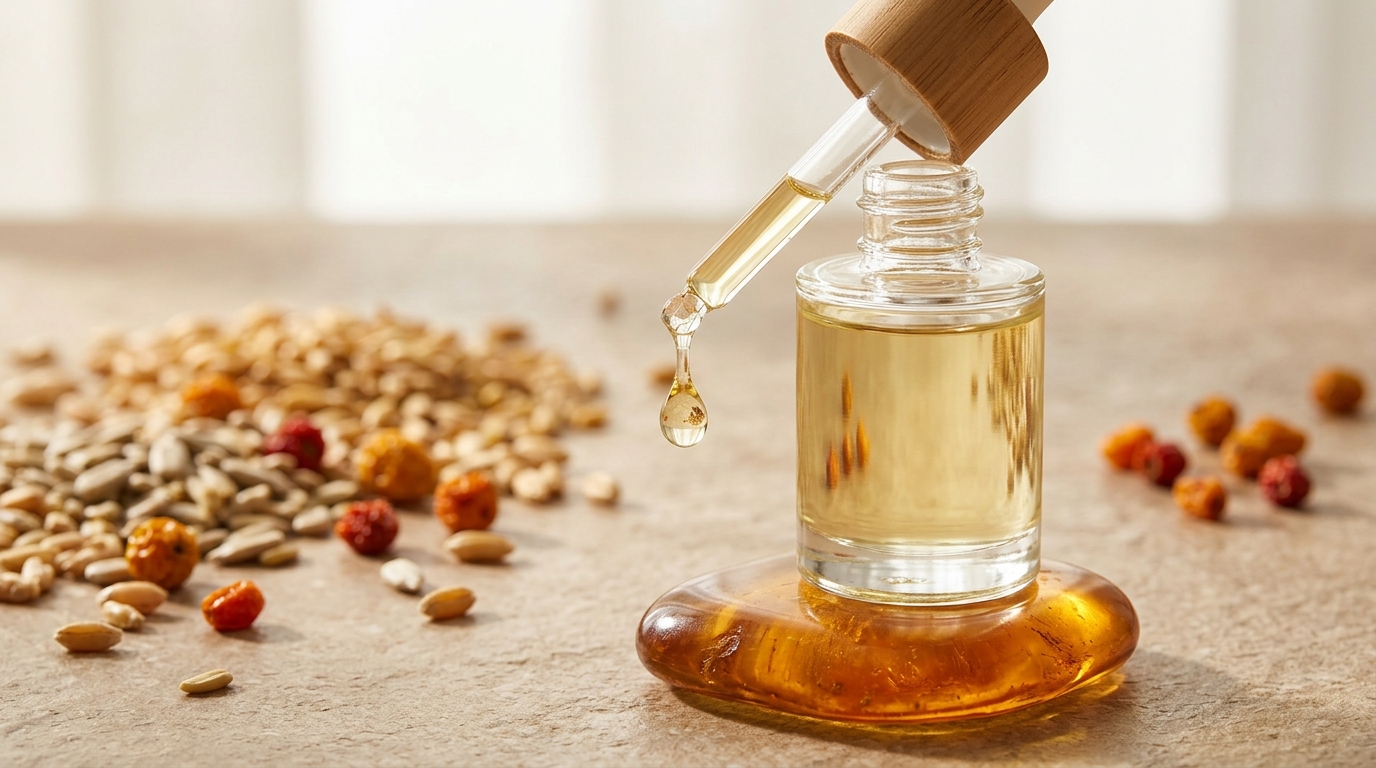
Tocopherol, commonly known as Vitamin E, is a naturally occurring antioxidant that has become an important ingredient in many premium oil-based skincare formulations. Rather than serving as a primary botanical oil, it often works quietly in the background by supporting the stability of carefully selected plant oils.
At Atlas Botanica, Tocopherol reflects our attention to formulation quality. Every supporting ingredient is chosen with the same level of care as our signature botanicals, ensuring that craftsmanship extends beyond the visible ingredients on the label.
Understanding Ingredient Functions
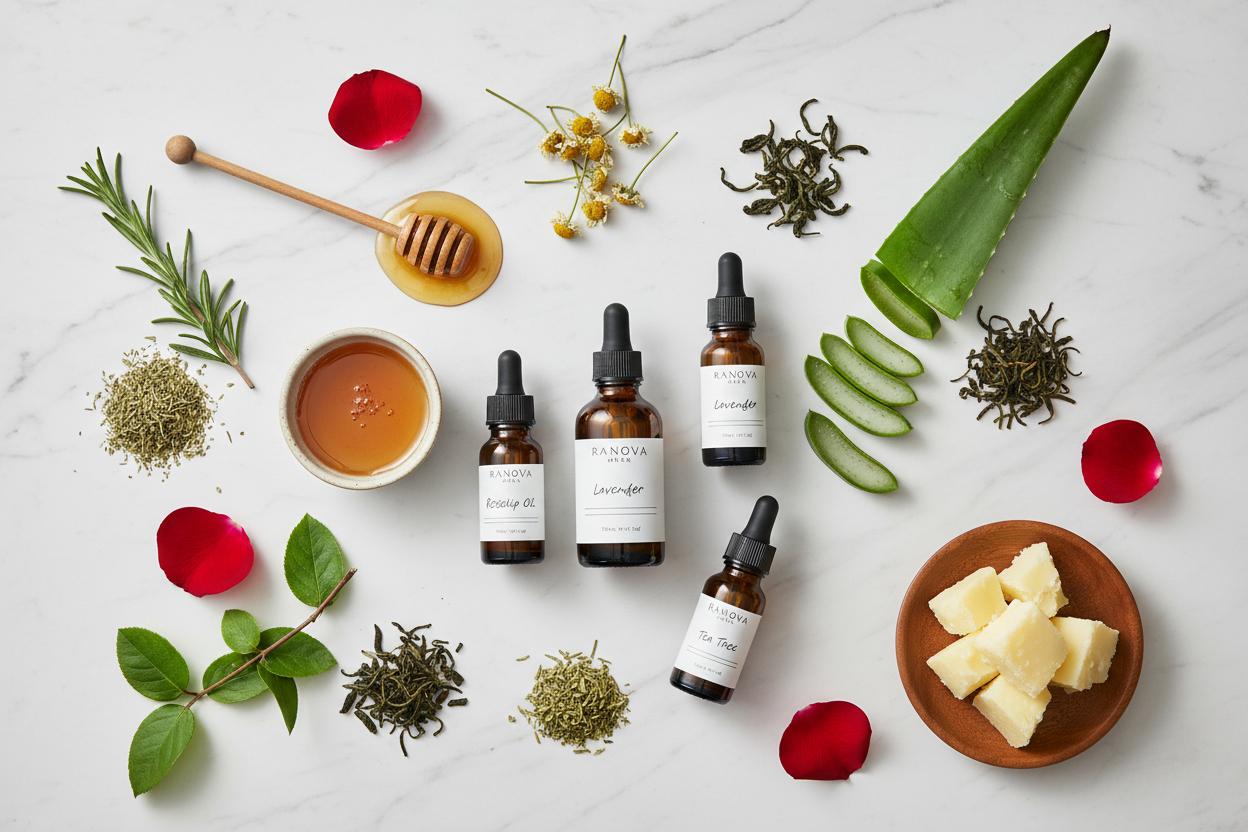
Cosmetic ingredients often serve different purposes within a formulation, and understanding these functions can make ingredient labels much easier to read. An emollient helps soften and smooth the skin, while a humectant attracts moisture toward the skin's surface. A cleansing ingredient contributes to the washing experience, and botanical extracts often provide aromatic, conditioning, or antioxidant qualities depending on their source. Essential oils are primarily valued for their natural fragrance, while antioxidants help support the stability of oil-rich formulations over time.
Rather than relying on unnecessary additives, Atlas Botanica builds formulations around plant ingredients that work together in harmony, allowing each botanical to contribute to a carefully balanced whole.
How to Read an Atlas Botanica Label
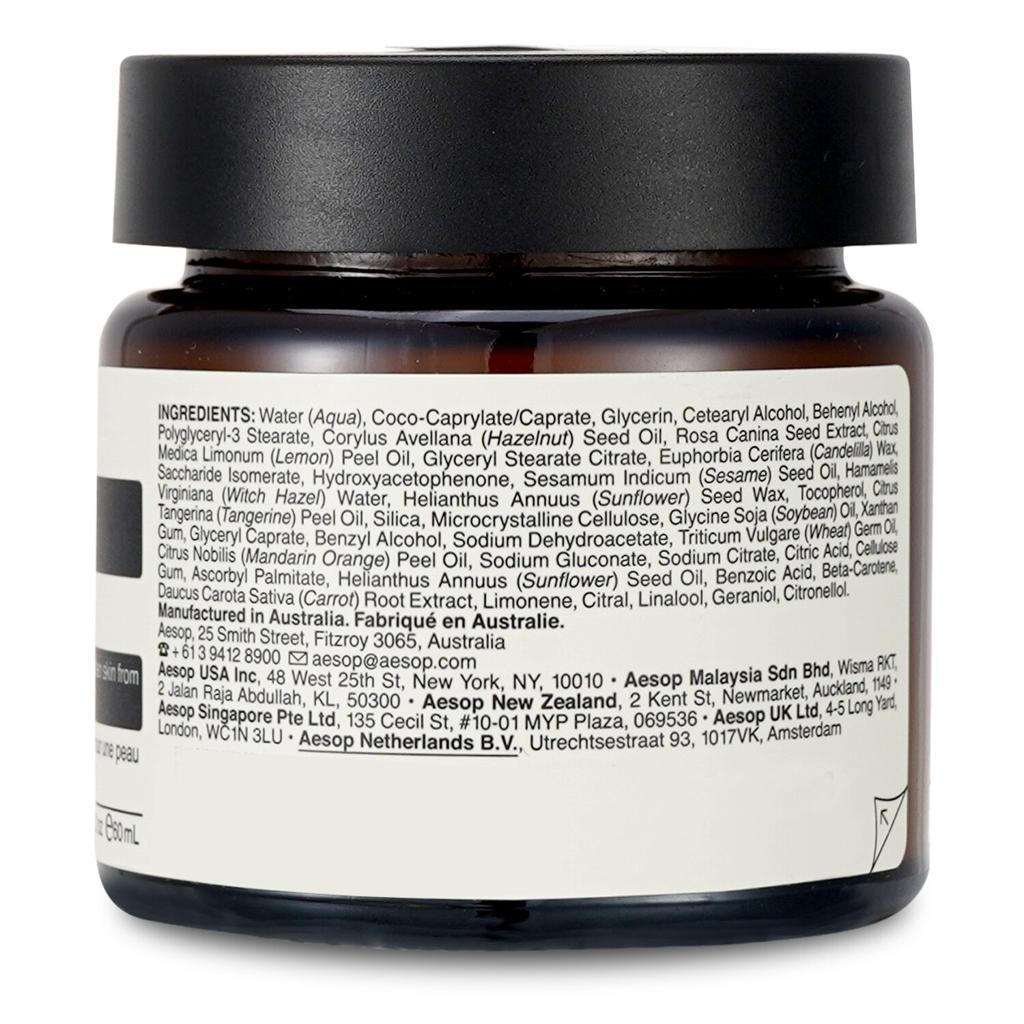
An ingredient list may look scientific at first, but it becomes surprisingly simple once you understand the INCI system. The first ingredients usually make up the largest portion of the formula, while botanical ingredients appear under their Latin scientific names instead of common names. Similar-looking scientific names often belong to closely related plants, and fragrance blends may appear simply as Parfum depending on labeling requirements.
For example, an ingredient list that reads Olea Europaea Fruit Oil, Cocos Nucifera Oil, Glycerin, and Tocopherol simply translates to Olive Oil, Coconut Oil, Glycerin, and Vitamin E. Once these names become familiar, reading a cosmetic label becomes less intimidating and far more meaningful.
The Atlas Botanica Promise